Alison Milligan loves being in nature. Growing up as one of five children in a single parent home, she often sought the comfort and wonders of the natural world in her own backyard.
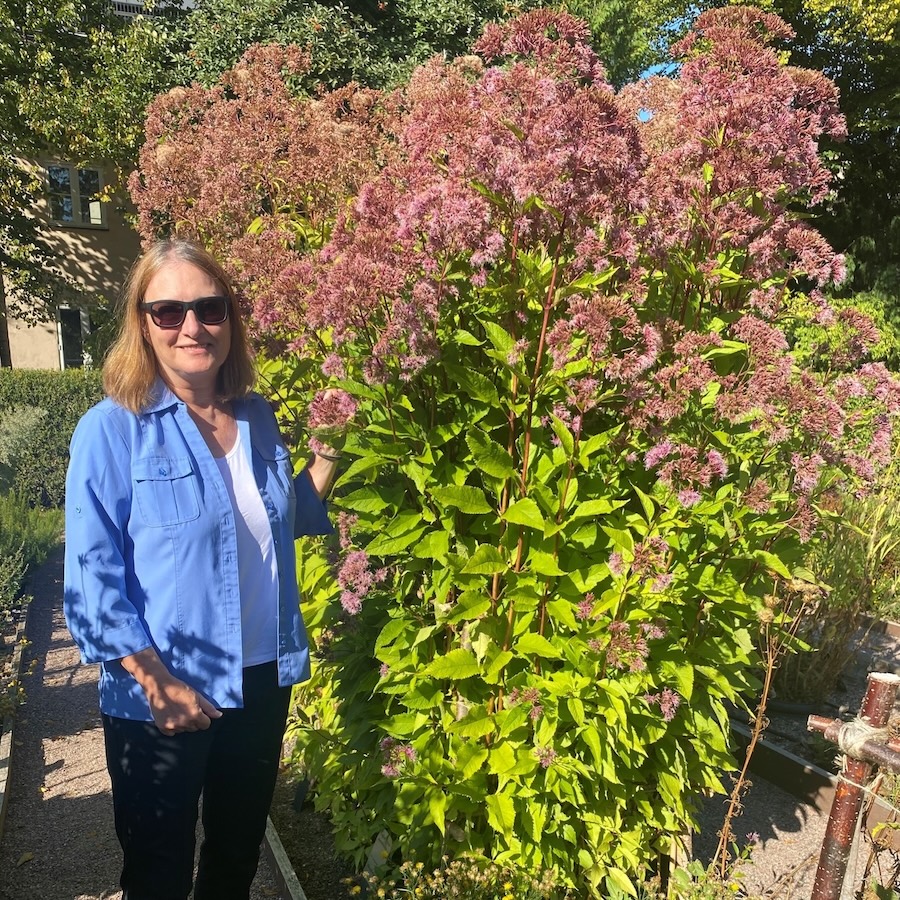
Today, Alison directs her lifelong passion to make communities more life-sustaining one yard at a time – with Sustainable Development Goal (SDG) 15 (Life on Land) at the foundation of her work. With credentials that include Maryland Master Naturalist, Master Gardener, and Watershed Steward, Alison shows community members how to keep polluted stormwater out of local waterways, increasing the quality of life for humans and animals alike. “I’ve developed my knowledge of native plants, soil, and biodiversity to help people around the world create resilient landscapes that support life. Wherever you live, you should use plants native to your area,” she says.
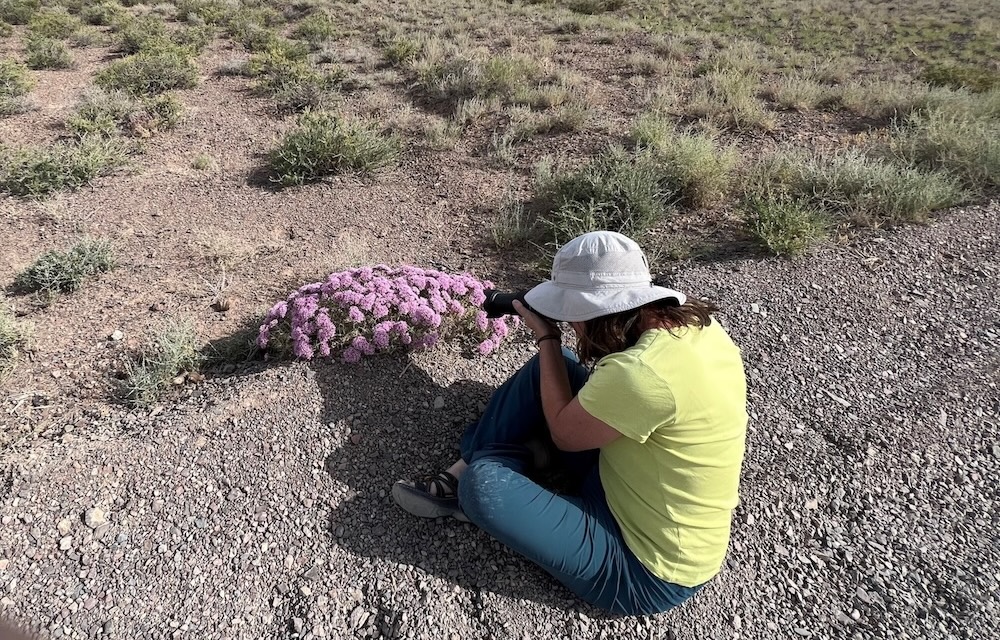
Alison’s career began when she joined the U.S. Air Force at 17 and later became an electrical engineer. She speaks fondly of her military service and the post-military opportunities she’s had to visit over 100 countries, marveling at how plants support life in even the harshest climates in places like Kazakhstan, Russia, the Sahara Desert and the Australian Outback. “I felt the need to capture photos in conflict-impacted areas because we don’t know how long those plants will be around,” she says.
Her path changed 15 years ago when she retired from her role as Executive Director at the Johns Hopkins University Whiting School of Engineering. Returning to her roots, Alison started tending to her home garden in Severna Park, Maryland and was inspired to use native plants after reading ‘Bringing Nature Home’ by Dr. Doug Tallamy. “My neighbor was the first person who came over, admired my plant choices and asked for help. Then, it turned into a friend of a friend,” she says.
Alison began helping her community identify which native plants could solve their gardening issues, and soon enough, she had grown a fully operational network through word of mouth. Throughout the year, she receives cattle trucks full of native plants and distributes them to communities across Maryland. “When I show people the beauty and the life their yards can support, they are eager to use native plants,” she says.
Whether she’s advising a neighbor or designing a landscape for a church property, Alison makes sure to emphasize the importance of the SDGs. “When we increase the number and diversity of native plants, we increase biodiversity. Cities become cooler from tree shade and plants sequester carbon,” she says, “Nature holds the solution to many SDGs.”
Alison is also a sought-after public speaker. Her talks emphasize the impact of native plants in supporting the SDGs – specifically Goals 6 (Clean Water and Sanitation), 11 (Sustainable Cities and Communities), 14 (Life Below Water) and 15 (Life on Land). She explains, “Maryland’s economy and recreation relies on a healthy Chesapeake Bay and the life that lives there, like the iconic blue crab and great blue heron. The Bay is an ecological and economic gem – protecting it is the right thing to do.”
Throughout her life, Alison’s enthusiasm for educating communities has remained paramount – from giving talks at schools, libraries, and garden clubs, to collaborating with the Maryland Reentry Resource Center to teach formerly incarcerated individuals how to plant and landscape. Her motivation stems from wanting to show people just how essential plants are for future generations to thrive. “It’s about our ability to meet our current needs without compromising the future for the next generation to meet their needs,” she says.
Alison is excited to engage more people to achieve the SDGs. This fall, she’s designing landscapes on larger properties in Baltimore and encouraging residents to subsidize those who can’t afford the same amount of open space – upholding the Goals’ universal value of reducing inequities and exclusion to leave no one behind. “Everyone deserves to have access to experience nature’s wonders,” she says, “Community is important, and there’s a lot of potential to do good with this project.”
The landscapes Alison creates will have an impact on Maryland for years to come. And for Alison, this work is just common sense. “You can’t support life without native plants,” she says.
– Faith Williams, United Nations Foundation