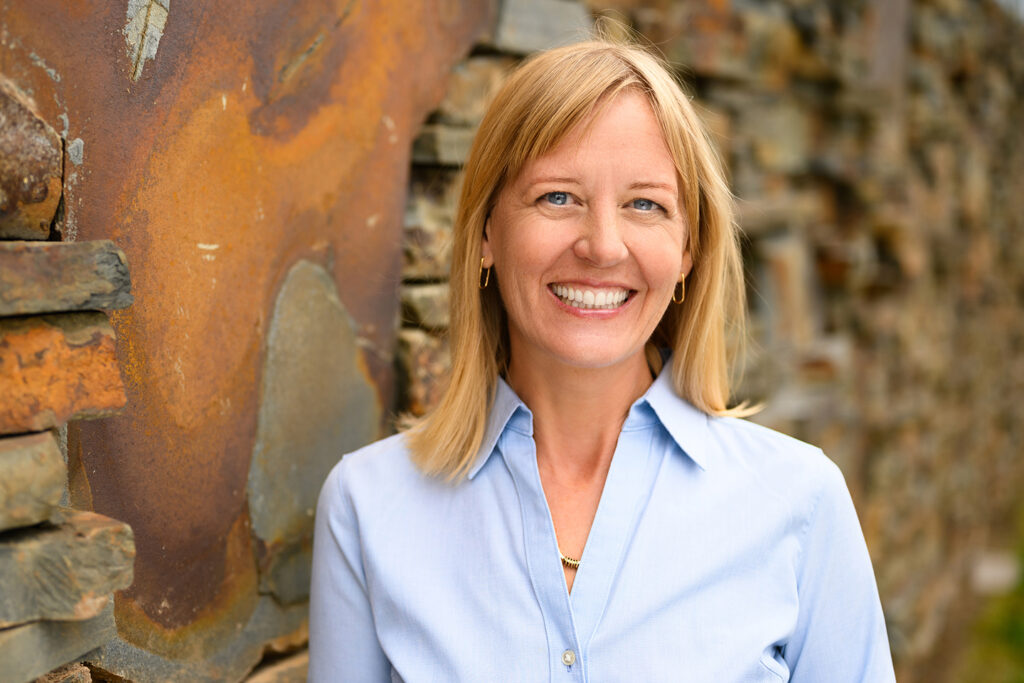
Low-income Americans lack legal assistance for a whopping 92% of their civil problems. More lawyers aren’t the answer to closing the legal gap — more justice workers are, says Nikole Nelson, CEO of Frontline Justice.
Inspired by the community health aid model, the community justice worker model was born, with aspects stemming from the values of SDG 16: Peace, Justice, and Strong Institutions. “You can’t have justice without health and health without justice,” she says. A partnership with the tribally operated healthcare system in Alaska, the largest network in the state, has allowed the program to scale. Community members can now take targeted training on legal aid to become justice workers, addressing the needs of people below the poverty line.
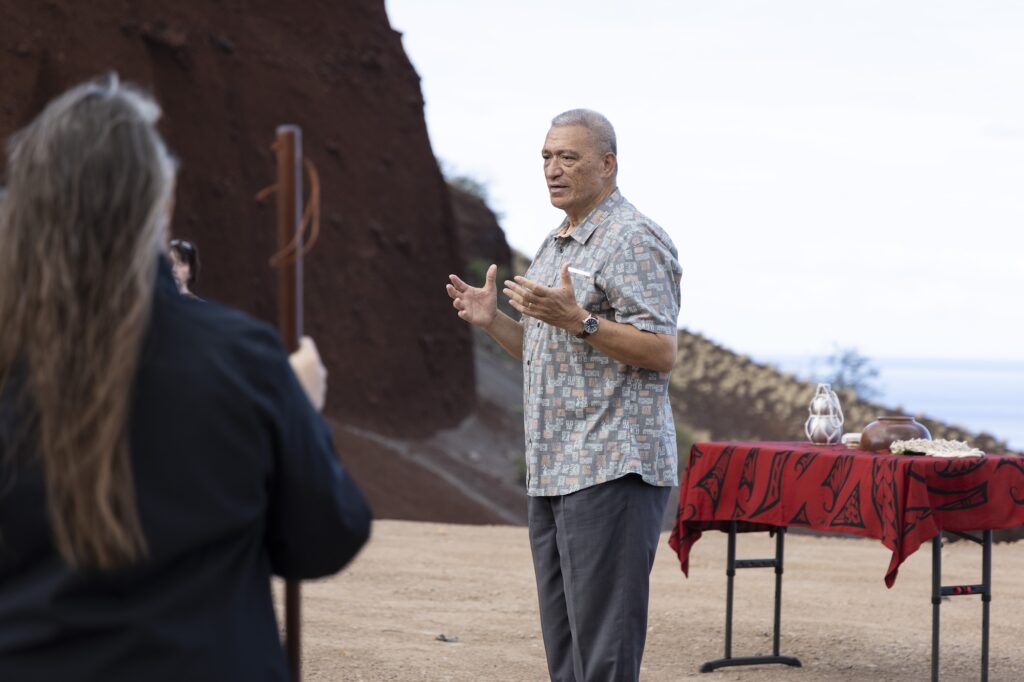
With 90% of Alaskan communities inaccessible by road — many of whom are Indigenous — access to justice is challenging, especially when compounded by language and cultural barriers, extreme weather, and limited broadband internet. Today, justice workers are in 44 different communities across the state and counting. “We’re making sure that we’re involving people who are closer to the problem in the solution,” says Nikole, who has 25 years of experience in the field.
The Qutekcak Native Tribe located in the small community of Seward, Alaska, has just four employees aiding various civil justice challenges. From access to SNAP benefits, wills, and child welfare cases and advocacy, Tribal Administrator Dolly Wiles told Nikole that the training offered them the tools to know they were “‘doing it right.’” This makes a huge difference, underscores Nikole. “These are trusted actors within the community.”
She is hopeful that by 2030 more justice workers will be authorized across the nation. As the SDGs continue to inform justice work on the backend, she describes the approach “like acting locally [while] moving along these global lines.” Adding that, “we’re doing things to feed up the chain and support a global vision that is more beneficial to us all as a global community.”
By Dynahlee Padilla-Vasquez, United Nations Foundation